Teaching Methods
Teaching Methods
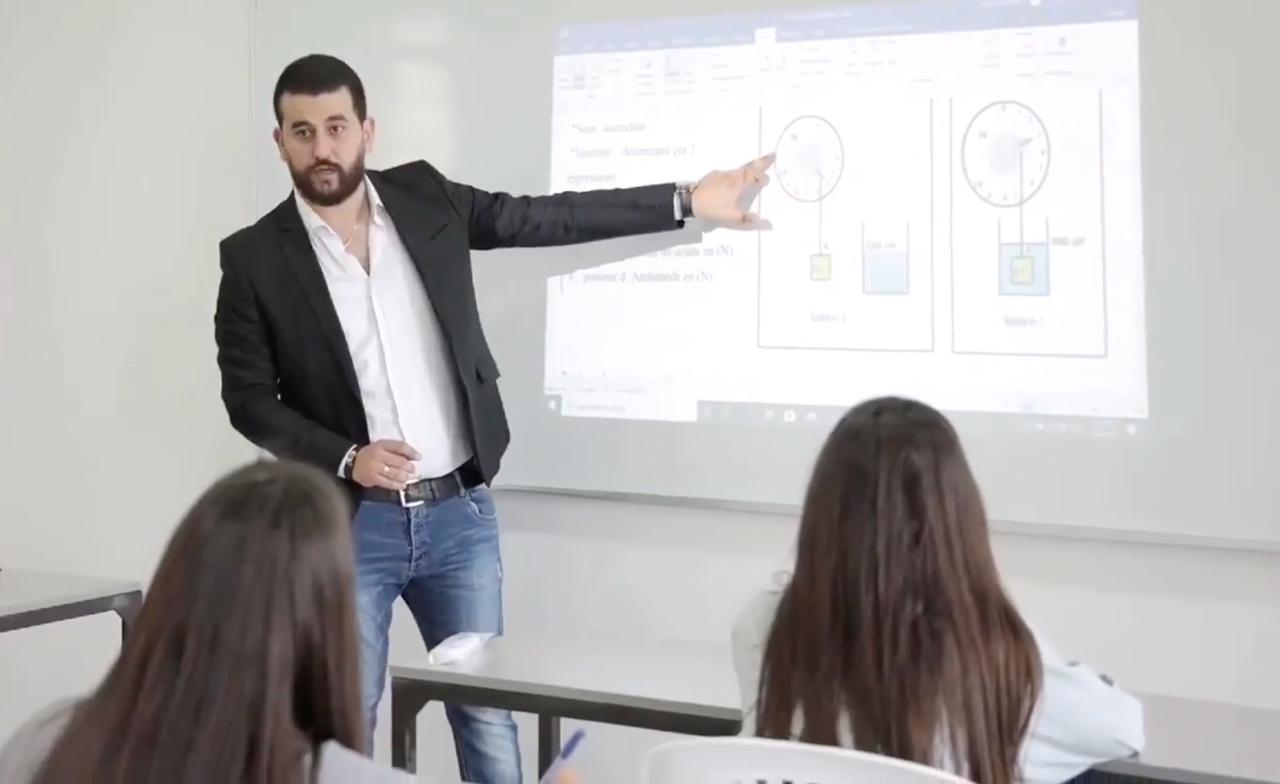
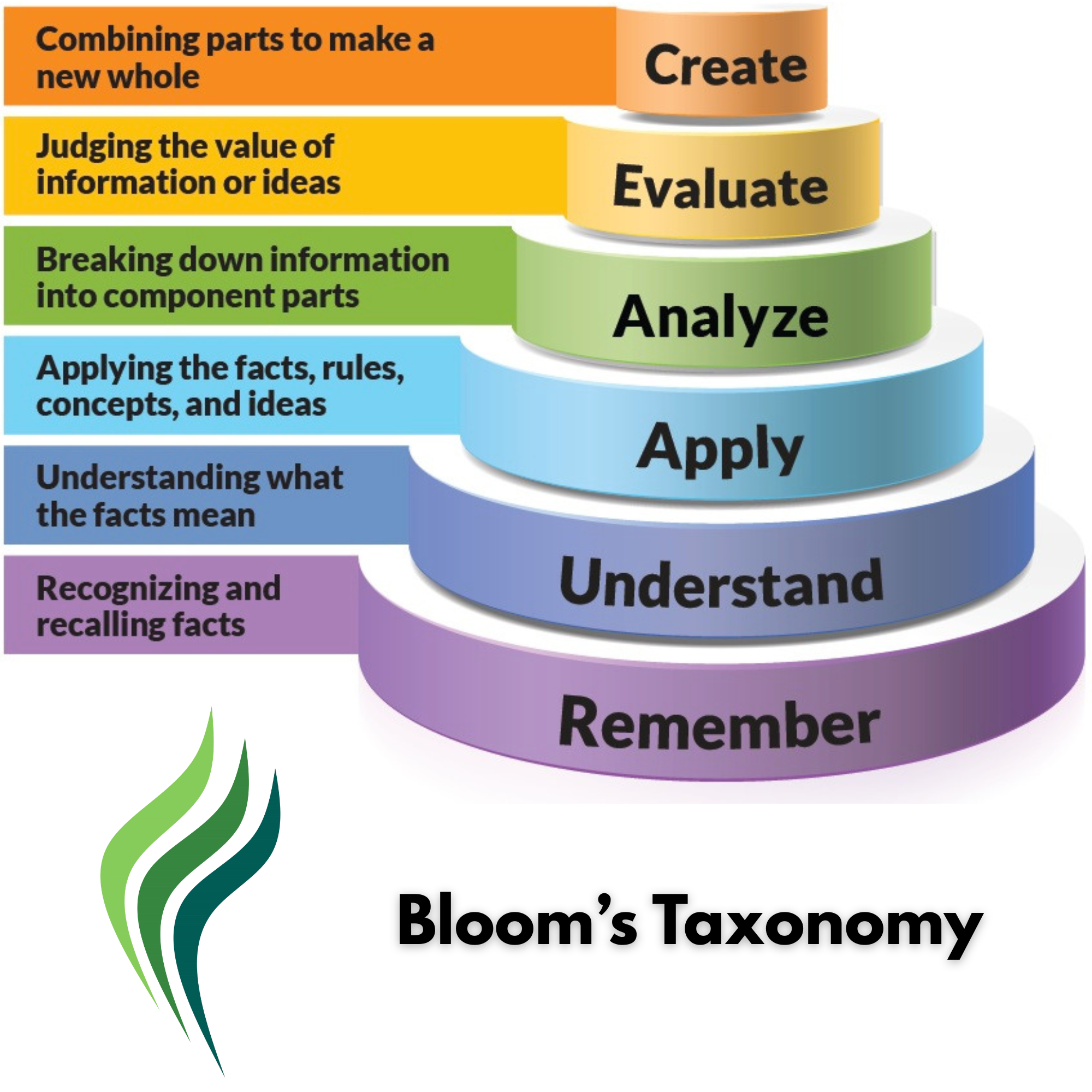
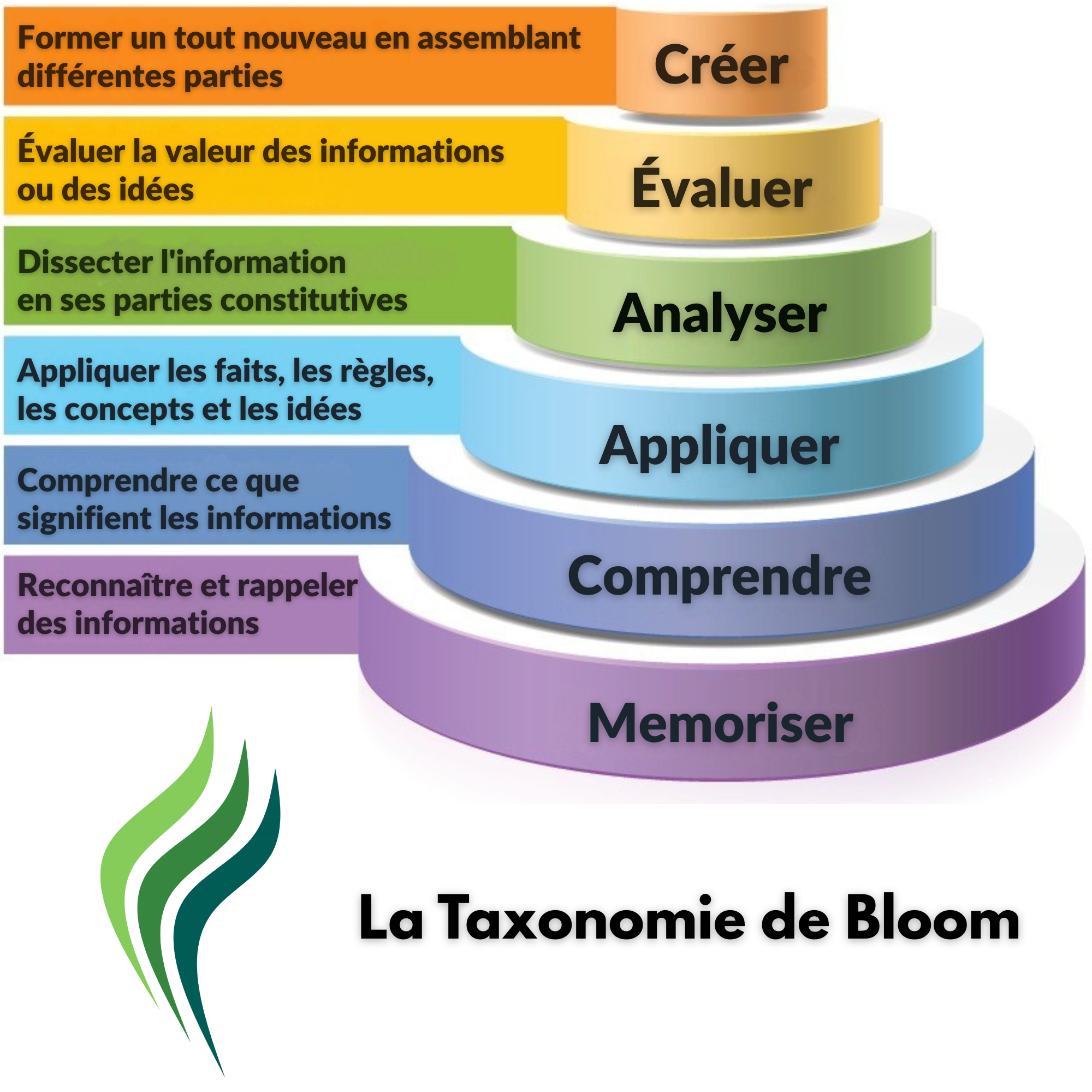
At Lycée Emmanuel, teaching and learning are grounded in a competency-based model rigorously structured around Bloom’s Taxonomy. Our approach intentionally targets higher-order cognitive skills (analysis, evaluation, and creation) from the earliest grade levels. Students engage in a rich variety of methods, including hands-on experiments, laboratory investigations, collaborative group projects, student-led presentations, flipped classrooms, and guided research tasks. This ensures that learning is not only content-driven but also experiential, interactive, and meaningful.
Our instructional model follows a five-day weekly schedule (Monday to Friday) with six 55-minute sessions per day. Every lesson incorporates visual presentations, active learning strategies, and opportunities for real-world application. Homework and assessments are also designed using Bloom’s framework, reinforcing critical thinking and problem-solving across all subjects.
Beyond the classroom, cross-disciplinary projects play a central role in cultivating creativity and innovation. Examples include science fairs, cultural competitions, Micro:bit and Python programming challenges for computational thinking, and interdisciplinary research projects. Students benefit from a technology-rich environment, including interactive displays in classrooms and a fully equipped 32-laptop computer lab dedicated to digital learning and coding.
While our program is primarily delivered on-site, we maintain robust remote learning capabilities through our Microsoft Incubator School infrastructure (Teams, PowerPoint, Excel, OneNote). This ecosystem proved invaluable during the pandemic and conflict disruptions, allowing us to sustain over 95% student attendance and instructional continuity.
Through this systematic integration of taxonomy-driven pedagogy, experiential learning, and advanced technological tools, Lycée Emmanuel ensures that students achieve both academic mastery and the 21st-century skills (creativity, critical thinking, communication, and collaboration) needed to thrive in higher education and beyond.